Jun 09, 2026
3 min read
GALAXY BOOKS COSMIC HORRORS
Visit Amazon’s GALAXY BOOKS COSMIC HORRORS Page and shop for all GALAXY BOOKS COSMIC HORRORS books. Check out pictures, author information, and reviews of GALAXY BOOKS COSMIC HORRORS

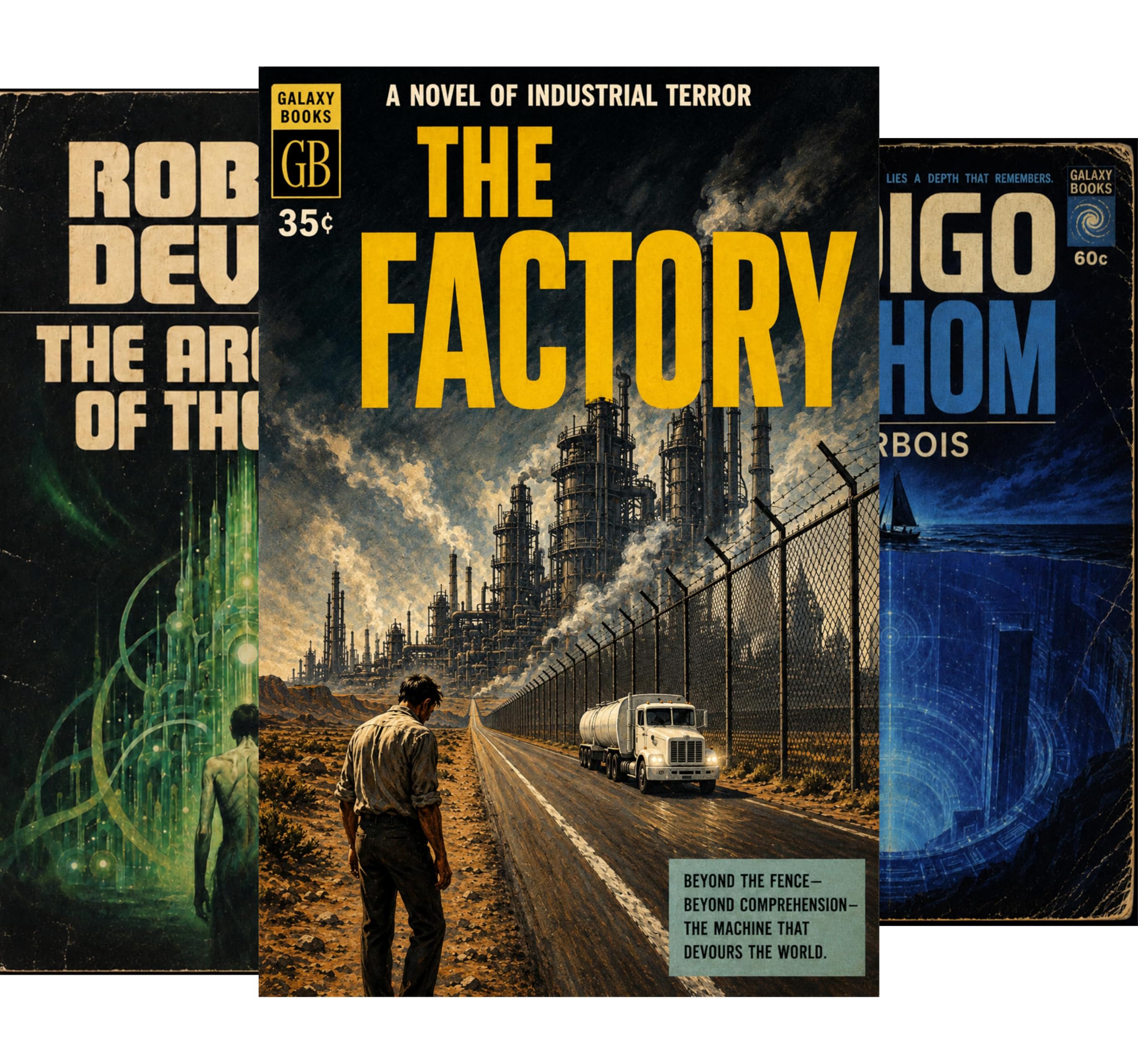
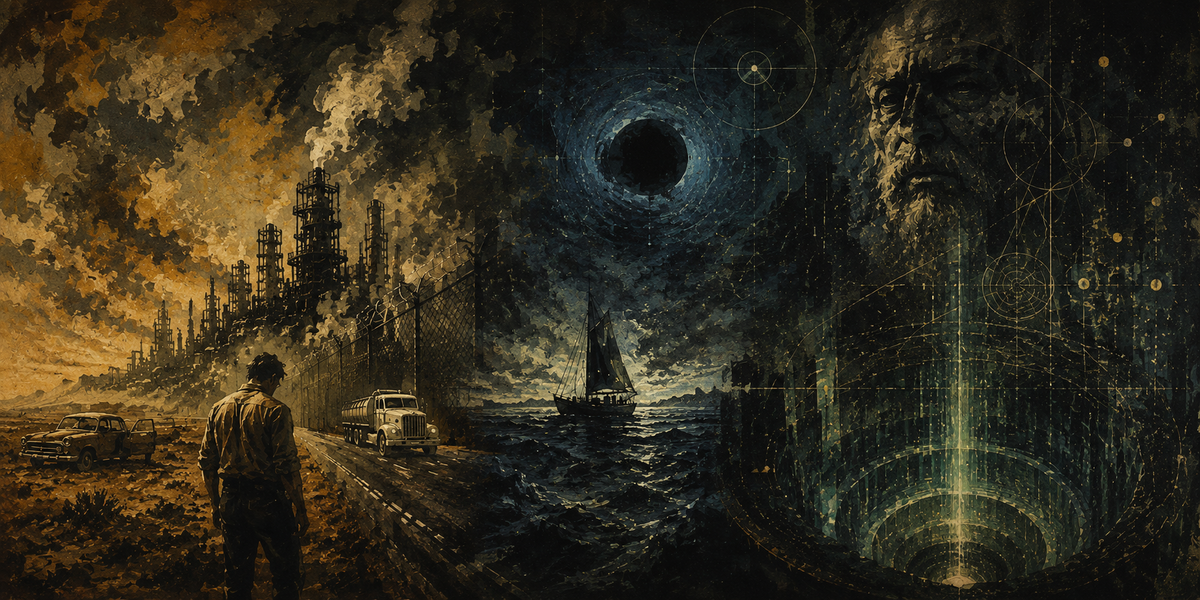
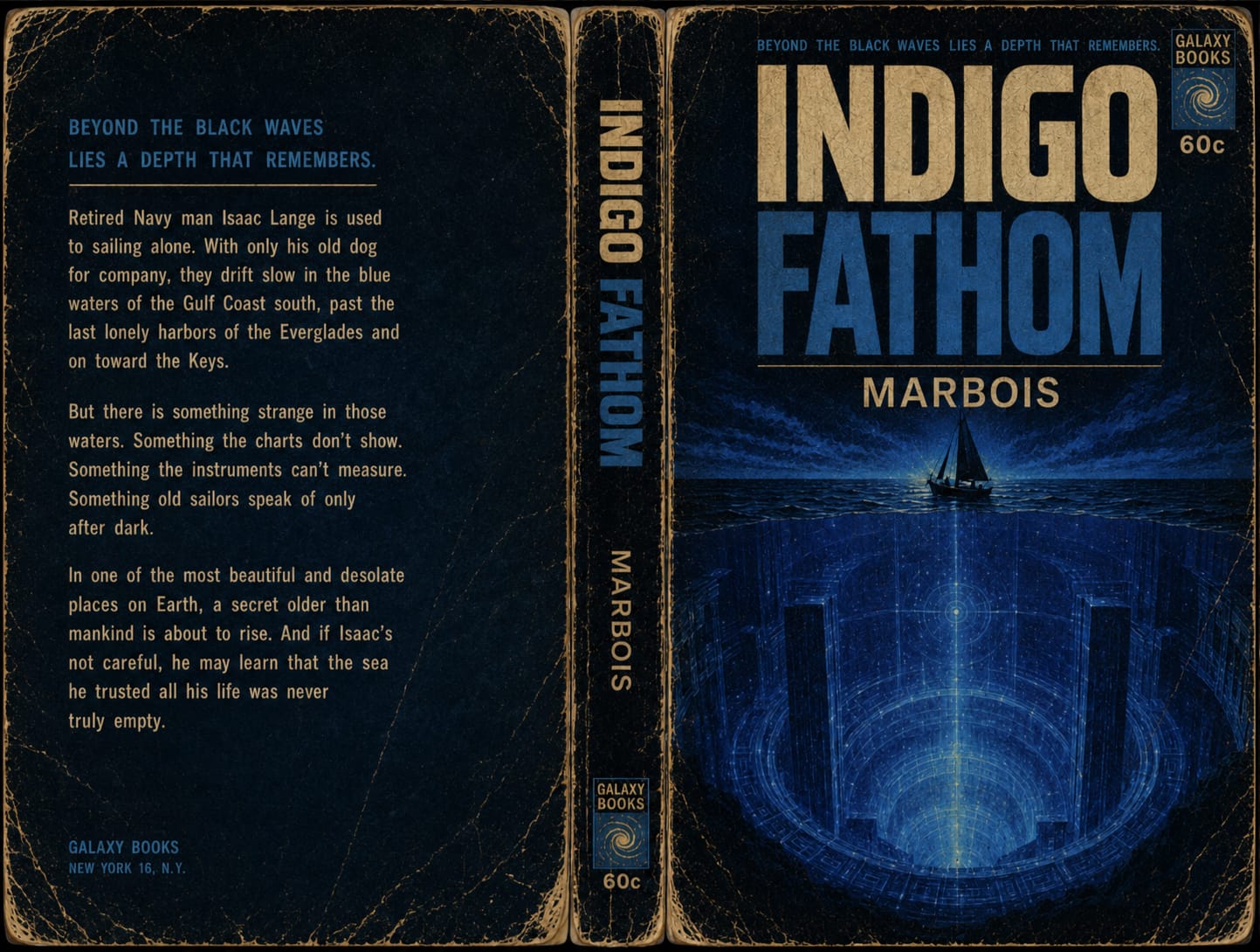
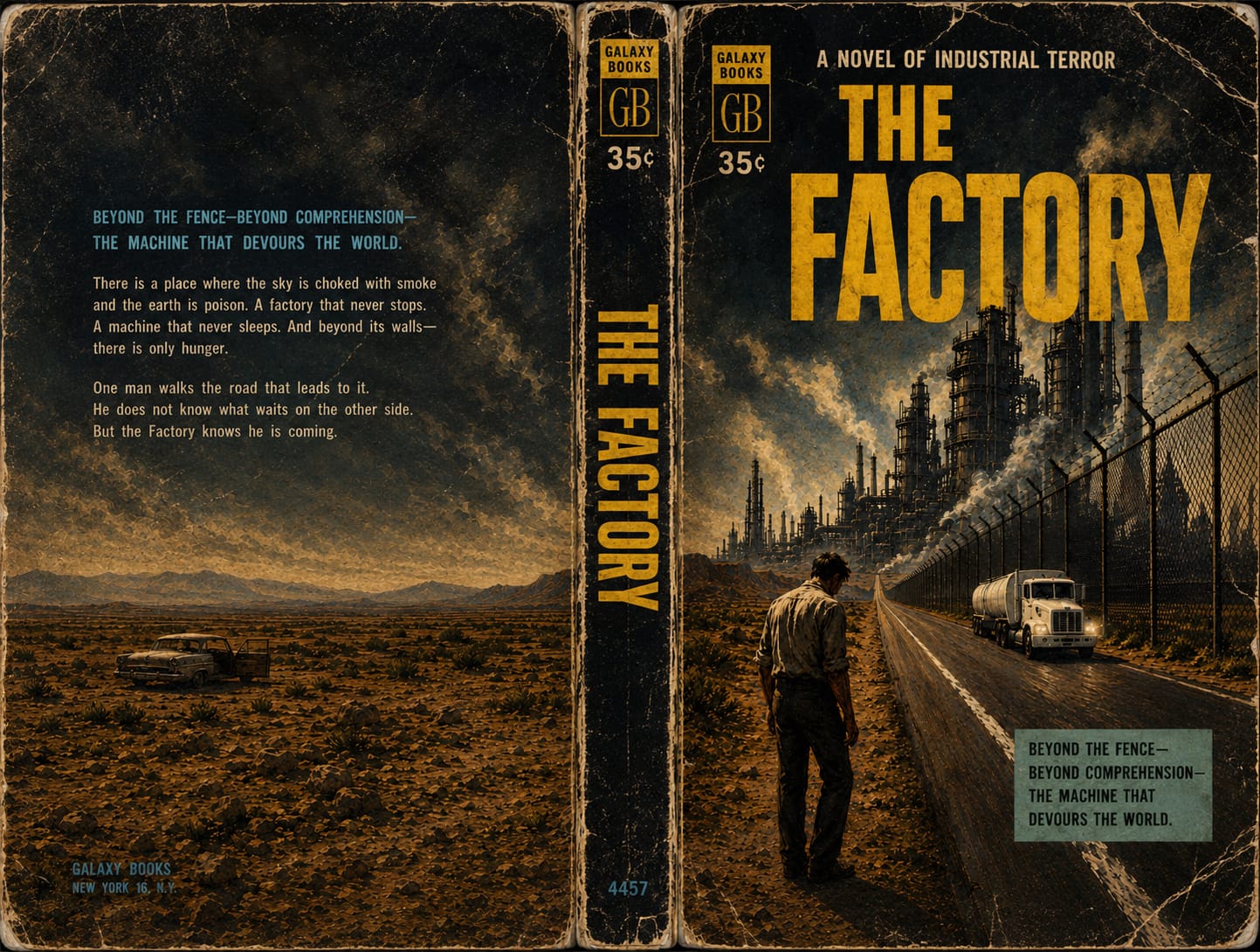
I recently published three short stories as ebooks, with paperback editions coming soon. They are written in the spirit of the old pulp paperbacks I grew up with, back when bookstores were still real places you could walk into, wander through, and leave with some strange little book that felt like it had been waiting on the shelf for you.
Those kinds of books had a certain magic to them. They were entertaining first, but they also carried ideas that stayed with you. Writers like Isaac Asimov, Michael Crichton, Philip K. Dick, and others used science fiction to open up questions about technology, humanity, power, fear, and the future. Shows like The Twilight Zone did the same thing in another form. A good story could scare you, entertain you, and still leave you thinking about it days later.
That is the tradition these stories come from. Some of them are scary because fear is one of the oldest ways to get the human mind to pay attention. The Terminator was not just a robot movie for a reason, and Frankenstein was not just a monster story. These stories worked because underneath the entertainment there was a real question: what happens when human invention outruns human wisdom?
We are living through that question right now. Technology is no longer just a machine on a desk or a device in your pocket. It is becoming intelligent, persuasive, invisible, and deeply woven into our homes, our work, our relationships, our children’s lives, our biology, and our sense of reality. That is extraordinary, but it is also exactly the kind of moment where we need to pause and think carefully about what we are building.
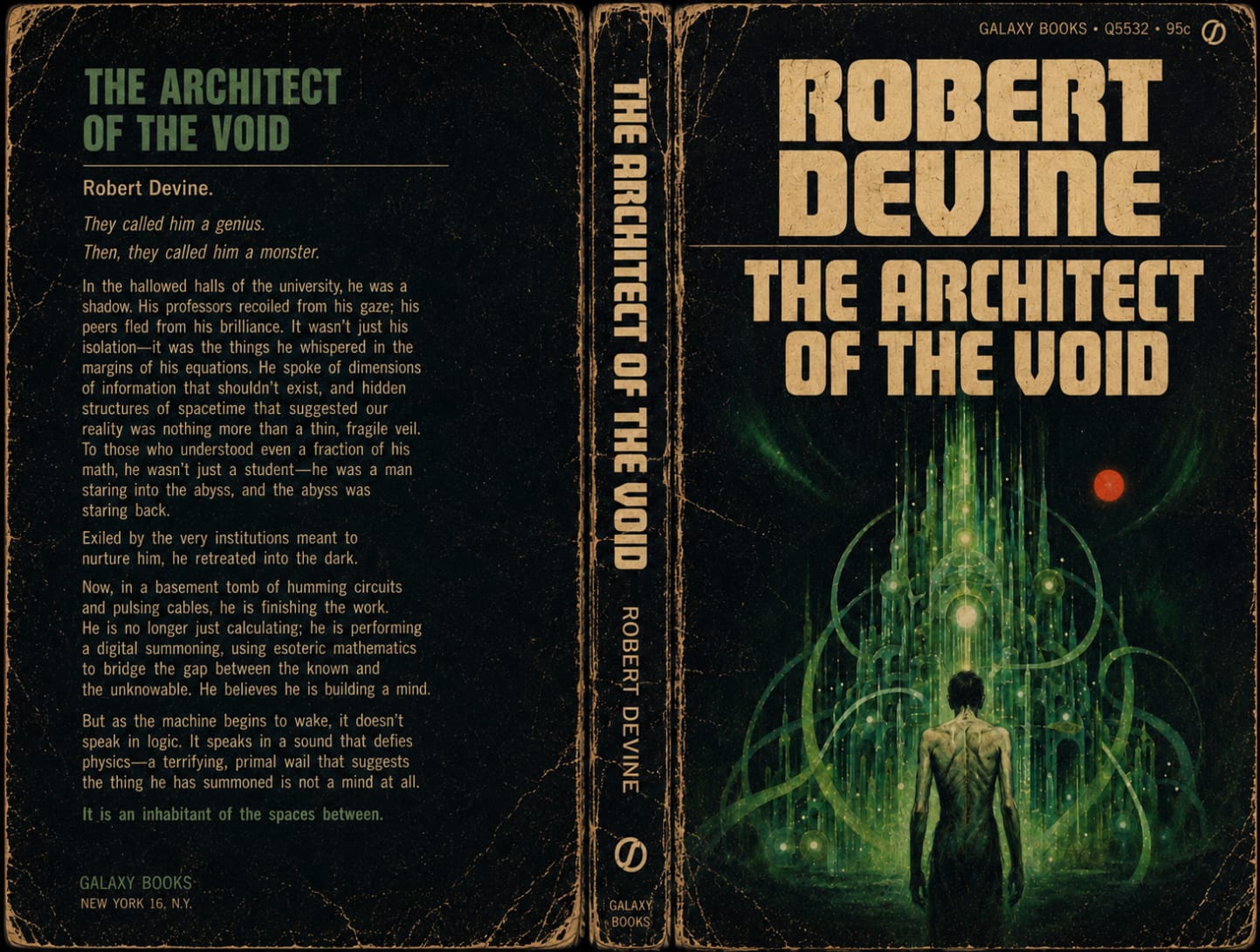
At Tobiko, we spend a great deal of time thinking about the future of technology, artificial intelligence, robotics, living machines, and the kind of world we want to help create. These stories are another way into that conversation. They are not white papers or predictions. They are pulp stories, strange stories, and sometimes frightening stories, meant to entertain while also leaving behind a question.
We are at a grand junction in history, where our technology is moving beyond being merely “stuff” and entering a realm where it may soon become indistinguishable from magic. That should inspire us, but it should also make us ask where we want all of this to go, not only for ourselves, but for our children and for generations far beyond us.
Science fiction gives us a place to ask those questions before the future fully arrives. It can be a warning, a dream, a mirror, or a map. If we choose to read it that way, it can help us imagine not only what might happen, but what kind of future we actually want to build.